January is a month for staying inside. (Well, it is for me.) Thanks to The Criterion Channel, there’s a lot of good movies you can see at home. Here’s a selection that will disappear come February.
Full recommendations
A+ The Lady Eve (1941)
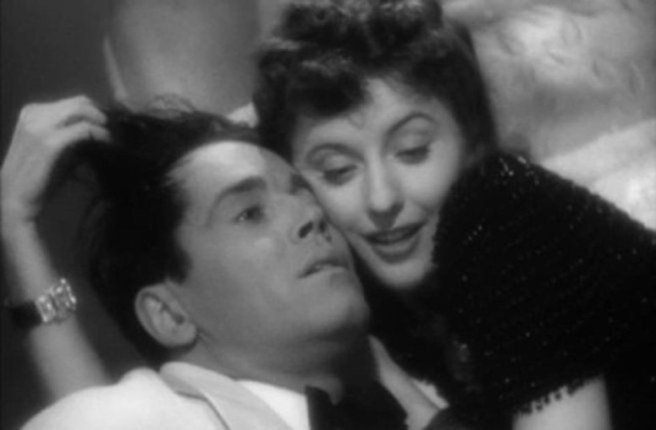
Like most great screwballs, Preston Sturges’ The Lady Eve looks at class differences through laughter. It also examines the problems between a free-spirited woman and an uptight man (Barbara Stanwyck and Henry Fonda). Stanwyck plays the younger half of a father/daughter team of card sharks, who makes the mistake of falling in love with her current mark – a shy, scientifically minded, naïve aristocrat played wonderfully by Fonda. The result: crazy hijinks in glamorous settings. Read my appreciation.
A Design for Living (1933)
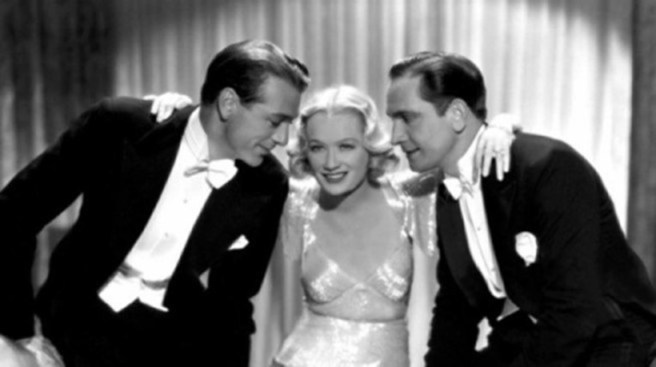
Impeccable credentials occasionally pay off. Design for Living is every bit as good as you’d expect from a pre-code sex comedy directed by Ernst Lubitsch, from a screenplay by Ben Hecht, adapted from a play from Noel Coward. Of course, it also helps to have a great cast. Best friends Gary Cooper and Fredric March both want the beautiful and sexy Miriam Hopkins. She wants both. Edward Everett Horton plays the disapproving bluenose.
A Nightmare Alley (1947 version)
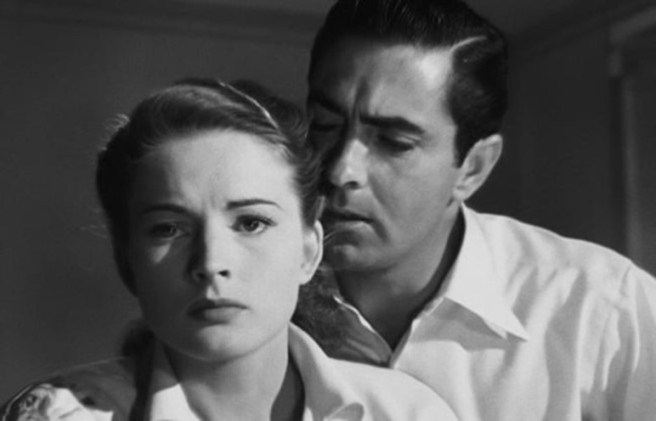
A carnival makes a frightening backdrop for film noir, especially if it stars Tyrone Power and Joan Blondell. No one can trust anyone else, whether they’re playing with magic tricks, money, or sex (“My heart is like an artichoke; there’s a leaf for everyone.”) Power plays a mentalist supposedly reading minds, but his real talents are those of the carney – tricks and fakeries. With the help of his wife (Blondell), he becomes famous; but as he rises, he’s just digging a bigger hole to fall into.
A- Johnny Guitar (1954)
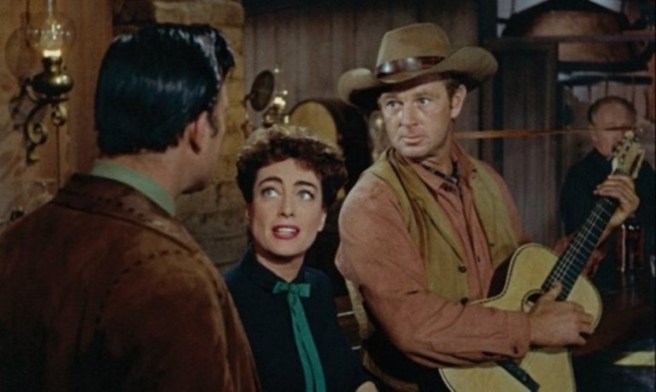
Nicolas Ray’s 1954 low-budget western has to be the weirdest oater made before Blazing Saddles. Stagy and talkie, it’s filled with outrageous dialog and fanciful names (Johnny Guitar, the Dancin’ Kid). The women behave like conventional western men, and the men act kind of like traditional women. You can’t help noticing the cheap production methods, including obviously painted exterior backgrounds and shots that don’t match. Johnny Guitar is about as realistic as an opera. But like an opera, the stylization is part of the art. Read my Blu-ray review.
A- Trouble in Paradise (1932)
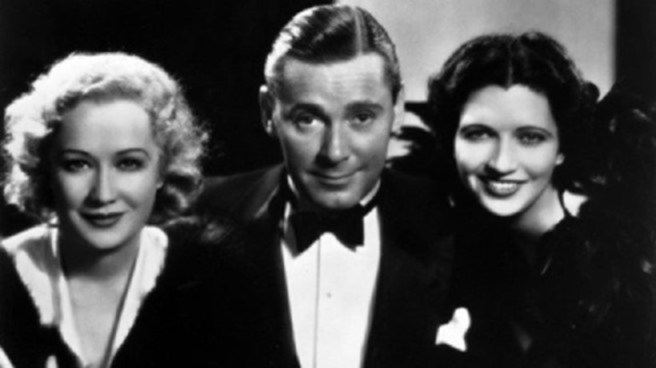
What’s so fascinating and entertaining about witty, sophisticated crooks that makes us want to root for them? Probably our own desire to get away with it. This near-perfect pre-code screwball proves that whatever it is, it works. Yet another deliciously amoral Ernst Lubitsch comedy about sex, love, money, and larceny. Starring Miriam Hopkins, Kay Francis, and Herbert Marshall.
A- The Lusty Men (1952)
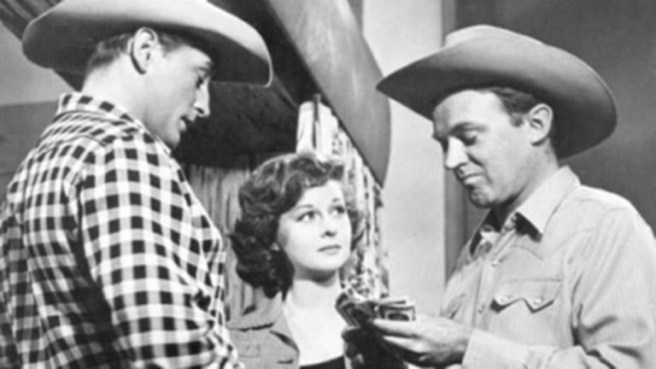
Nicholas Ray examines masculinity in this modern western drama set in the world of the rodeo. The lusty men of the title are irresponsible, bad with money, and courageous to the point of stupidity. The women who love them suffer for it. Robert Mitchum stars as a former star of the rodeo circuit with one too many injuries. When he latches onto a happily married couple (Arthur Kennedy and Susan Hayward), you know there’ll be trouble. Read my longer report (you’ll have to scroll down a bit).
A- Scarface (1932, original version)
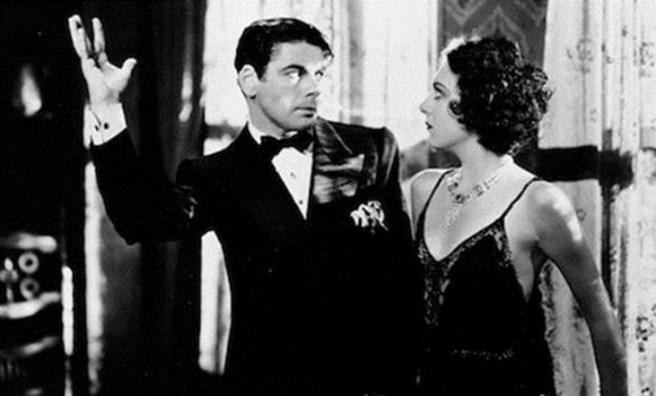
Here is the best of the three films that started the 1930’s gangster genre. Scarface tracks the rise and demise of Tony Camonte, a violent thug who becomes a big shot by virtue of his total lack of virtue. When he first sees a tommy gun, he joyfully cries out “Hey, a machine gun you can carry!” Soon he’s using one to mow down both his enemies and innocent bystanders alike. But he does love his kid sister. In fact, maybe he loves her a little too much. Written by Ben Hecht and directed by Howard Hawks, and you can’t find a better team than that. Star Paul Muni acts a little over the top for my taste.
B+ Forty Guns (1957)
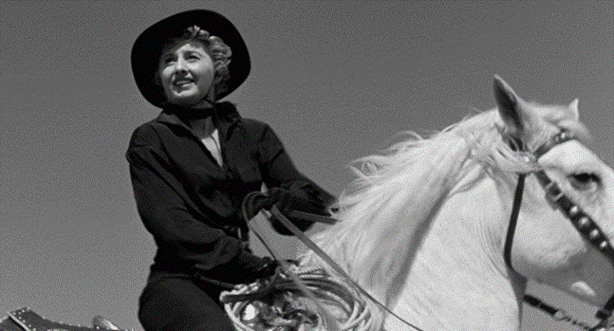
Samuel Fuller’s Cinemascope western is best remembered for its shocking ending (which isn’t anywhere near as shocking as what Fuller intended). But it has a lot more than that going for it, especially with the female leads. Barbara Stanwyck plays a wealthy rancher who usually gets what she wants (the title refers to her army of gunfighters). You’re never quite sure what side she’ll land on. Lesser-known Eve Brent plays a beautiful gunsmith who’s a wonderful person yet not at all a proper lady. A lot of fun. Part of the series From the Front Page to the Front Lines: The Essential Sam Fuller.
B+ Panic in the Streets (1950)

A ruthless killer (Jack Palance in his first big screen performance) murders a man dying of pneumonic plague – and thus exposing people to the deadly disease. Richard Widmark plays the military doctor whose job it is to contain the likely disaster–which includes finding criminals (oh, if it was really that easy). Set and shot in New Orleans, the suspense tightens by the minute. The terrific climax is exceptional. Zero Mostel plays a nicer criminal.
B Baby Face (1933)
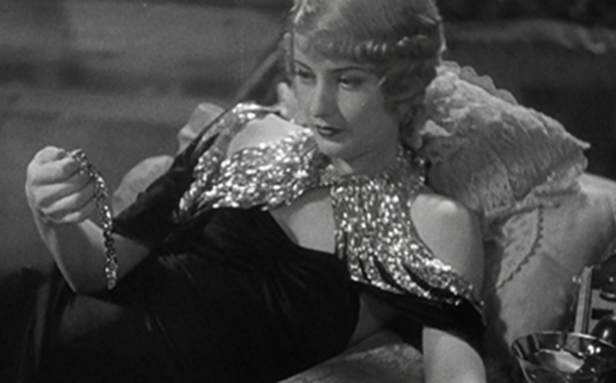
This is the sort of film for which the term “pre-code” was coined. When we first meet Lily (Barbara Stanwyck), her cruel father pimps her out to working-class guys. But she’s smarter and more ambitious than that. She picks a big company, and climbs the corporate ladder – bed, after bed, after bed. A not-yet famous John Wayne shows up as one of her very short-term lovers. A year and a half after Baby Face came out, it could not have been released.
B Easy Rider (1969)
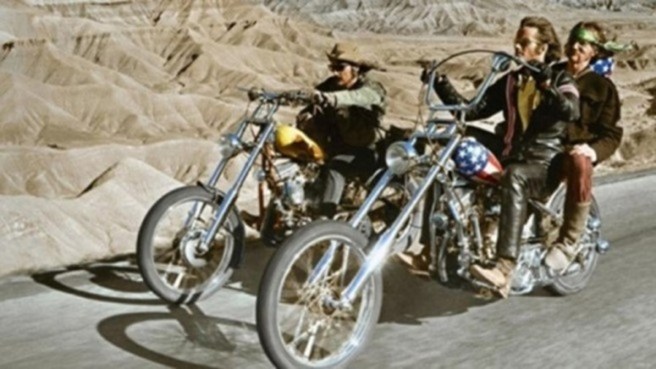
This iconic film changed Hollywood for the better…at least temporarily. Weird, low-budget, and breaking every rule, it nevertheless became a big hit, opening studio doors to young directors and serious art. The two anti-heroes (played by producer Peter Fonda and director Dennis Hopper) seem totally counterculture on the outside, yet they’re irredeemably materialistic to their cores. Easy Rider hasn’t aged well, but it’s still worth seeing as a bug in amber from a lost age.
B Night Nurse (1931)

This 1931 drama, directed by William Wellman, is typical of the pre-code Warners style. It’s smart, short, and tells a tough story about life in the big, crime-ridden city. A very young Barbara Stanwyck plays the title character, and the movie takes every possible chance to show her off in slinky underwear (that’s pre-code). Clark Gable – pre-fame and without a mustache – plays the main bad guy, and does it well. Joan Blondell plays the best friend. Fun, spirited, and entirely predictable.
C Rancho Notorious (1952)
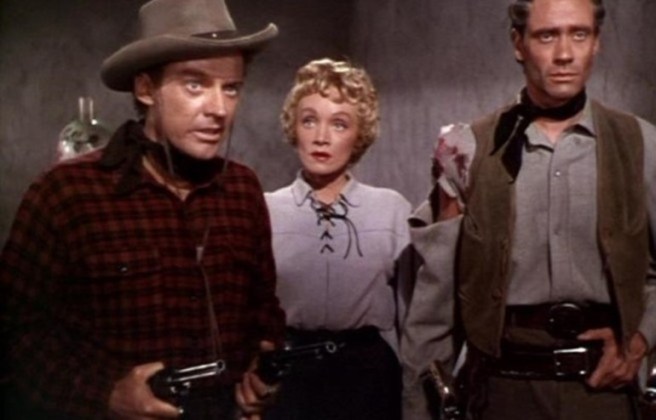
I expected something interesting in a western directed by Fritz Lang. But my expectations were dashed. The murder of a young woman sets her fiancé on a search for revenge, and the only way to find the killer is to become a criminal himself. The story is a mess, but there are a few interesting scenes, especially those with Marlene Dietrich and Mel Ferrer.
F Daughter of the Dragon (1931)

This is an extremely bad horror movie. Anna May Wong plays the daughter of Fu Manchu (father is played briefly by Warner Oland in yellowface), and she must kill an important British family. Not a single moment is entertaining. This is the sort of movie where people run around in an old mansion with secret doors. Extremely racist.
Other films you might want to see:
- The Cheat (1931)
- Dark Star (1974)
- Fear of a Black Hat (1993)
- The Grifters (1990)
- Hell’s Angels (1930)
- House of Games (1987)
- I’m No Angel (1933)
- She Done Him Wrong (1933)

 Bayflicks