Every year, the Library of Congress adds 25 films to its list of films important enough to be saved and restored. This is not a list of this year’s great American movies. The Library Congress’ National Film Registry looks for more than good movies. It considers old films that people are still watching, or that have changed the artform.
Here are some of the 25 films that will be restored, in order of age:
B+ Desperately Seeking Susan (1985)
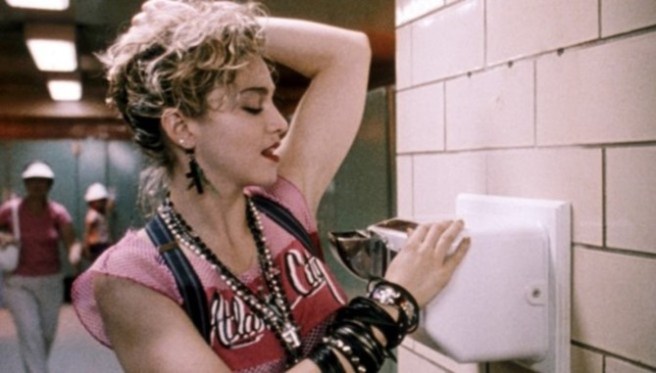
Funny and sexy, Susan Seidelman’s comedy thriller (written by Leora Barish) sparks with popping colors and infectious pop music, while celebrating the down and dirty over the respectable middle class. Rosanna Arquette stars as a bored, unhappy housewife who loses her memory. Meanwhile, the not-yet famous Madonna plays a happy slut. Eventually, they’ll come together.
A Matewan (1987)
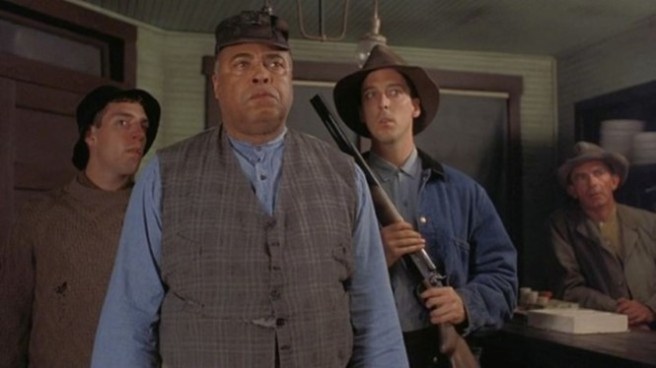
Outside of John Sayles’ oral history trilogy, this story of union organizing circa 1920 is the best film he made. Inspired by a true story, it follows a group of West Virginia coal miners fighting for their rights. It’s not easy. The mine owners, backed up by the government, will do anything to destroy the union. The miners – a collection of Blacks, Anglos, and Italians – must overcome their own prejudices to work together. Religion, music, and dead dreams carry this powerful film. James Earl Jones plays a miner nicknamed Few Clothes. Chris Cooper, in his first film role, plays the union organizer who brings the miners together. The cast also includes Mary McDonnell and Sayles’ regular David Strathairn.
A Terminator 2: Judgment Day (1991)
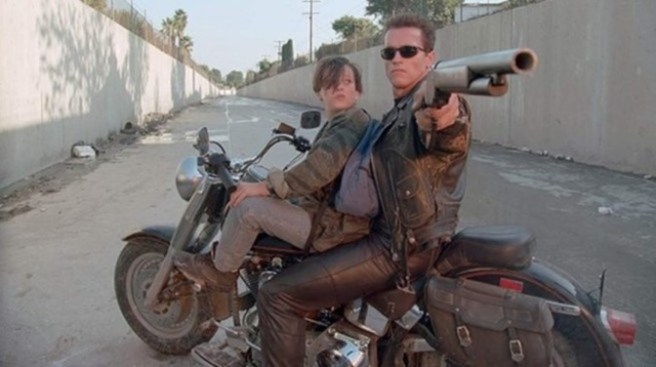
One of those sequels that’s better than the original. A replica of the first movie’s killer robot (Arnold Schwarzenegger) returns from the future to help the good guys stop a nuclear war. Linda Hamilton returns as the original’s intended victim, now a hard-as-nails and possibly insane heroine. The action scenes and special effects are outstanding for its time, but so is the story of people surviving in extreme conditions.
A The Wedding Banquet (1993)
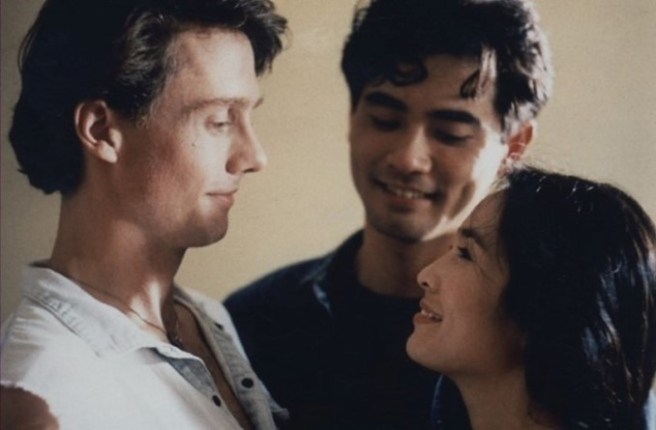
Director Ang Lee became famous with this comedic drama. A Chinese immigrant in New York has never told his Taiwanese parents that he’s gay, and has been living with his boyfriend for years. He marries a woman for two reasons, tax purposes, and to stop his parents’ nagging (this was made before same-sex marriage was a thing). But Mom and Dad fly half-way around the world for the wedding, so some sort of festivities must be done. The movie is warm, funny, and sad.
D+ Bamboozled (2000)

This must be one of Spike Lee’s worst. The basic concept – a blackface minstrel show becoming the biggest entertainment on television – could only work as over-the-top farce. But Lee takes the story seriously and it doesn’t work. There are a few strong moments, especially when a mostly white TV studio audience allow themselves to enjoy their inner racism. Damon Wayans plays the network executive who gets the idea. The movie doesn’t even look good; the movie was shot with early digital cameras that make everything look like pre-HD television.
A- 12 Years a Slave (2013)

In 1841, con artists kidnapped Solomon Northup – a free-born African American living in upstate New York, then sold him into slavery down south. This film, based on Northup’s memoirs, shows us the horrors of slavery through the eyes of an educated man turned into a beast of burden. Chiwetel Ejiofor gives an Oscar-worthy performance as Northup, horrified, trapped, and mostly helpless. Beautiful yet daring photography, combined with minimalist editing, intensify the horrors. The film easily earned its Best Picture Oscar. Read my full review.
A 20 Feet from Stardom (2013)

Morgan Neville’s wonderful documentary covers the full history of rock and roll from the point of view of the women who stand behind the stars, adding vocal texture to the music. We meet the amazing Merry Clayton (“Rape! Murder! It’s just a shot away!”), relative newcomer Judith Hill, and Darlene Love–who did quite a bit of lead singing without credit (“He’s a Rebel”). Big name stars (Springsteen and Jagger) pop up among the talking heads (as do The Talking Heads), but this time, the spotlight points to the lesser-known artists who made it all work. And for once, we get a musical documentary that’s filled with music–and joy, laughter, and inspiration.

 Bayflicks