After Akira Kurosawa, Yasujiro Ozu is probably the greatest Japanese filmmaker. While Kurosawa is remembered for his samurai epics, Ozu is mostly remembered for his small, intimate pictures about family life.
But he didn’t just do small stories about families. In the 1930s, Ozu made crime dramas, like the ones that Warner Brothers were turning out at the same time.
The Berkeley Art Pacific Film Archive, (BAMPFA) will run 18 of his films from December 3 to February 25 in a series called Yasujiro Ozu: The Elegance of Simplicity.
I haven’t seen all of Ozu’s works; in fact; I haven’t even seen all the films that will play in this series. So, I’ll just tell you about the films that I’ve seen and reviewed.
A I Was Born, But . . . (1932), Sunday, December, 3, 4:30pm
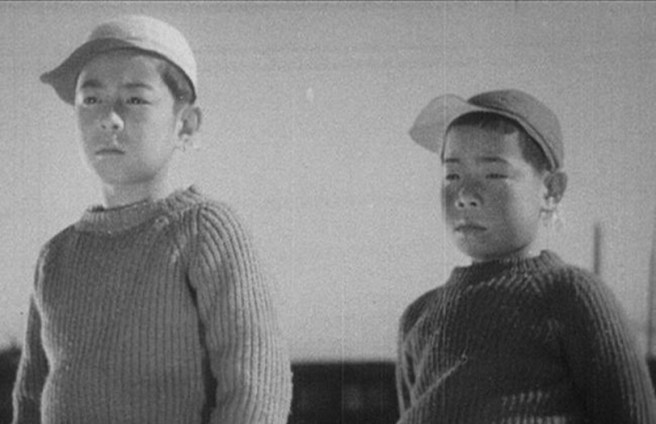 In Ozu’s late silent comedy/drama, two young boys see the world through the eyes of two young brothers– sons of a man rising in the corporate world. They love and worship their father and are shocked when they discover that there are executives higher up than their father. Very funny, touching, and very true. Judith Rosenberg will provide piano accompaniment.
B Dragnet Girl (1933), Sunday, December 10, 4:30pm
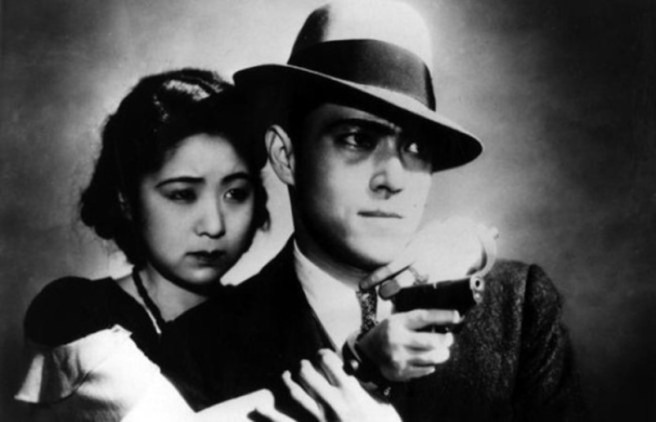
This is not what you’d expect from Ozu. This flashy and fun crime story is fun to watch. Kinuyo Tanaka is wonderful as a seemingly innocent young girl who’s really a tough-as-nails moll. Well, maybe she’s not as tough as she seems. The exceptionally handsome Joji Oka brings energy and charisma to the part of her gangster boyfriend – a Japanese James Cagney. Judith Rosenberg provides piano accompaniment on this late silent.
A Late Spring (1949), Wednesday, December 13, 7:00pm
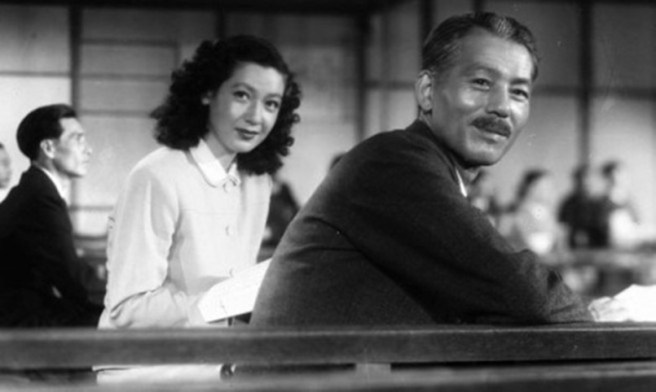
As people grow, the way they relate to their family inevitably changes. Some fight the change, and others accept it. In Yasujiro Ozu’s 1949 masterpiece, a young woman wants to stay with her widowed father, but he senses that it’s time for her to make a life without him. Her father and his friends work hard to find a suitable husband for her, but she’s not interested. She’s already chained to a man she loves – her father. Late Spring is shot and edited in Ozu’s patented simple, elegant style, with the camera only a few inches from the ground. You see the whole room and how everyone reacts to each other. Read my full report.
A Tokyo Story (1953), Saturday, December 16, 6:30
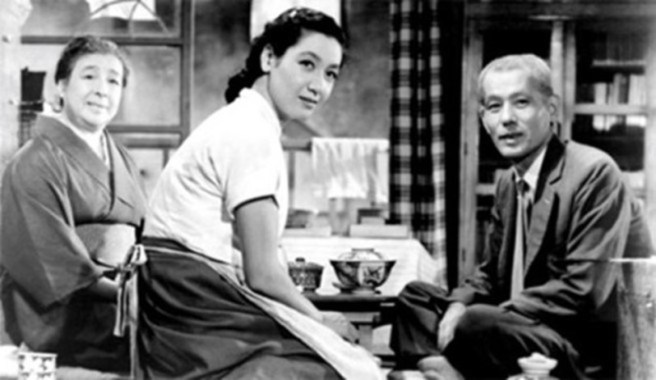
In my favorite work, Ozu shows us a family in all of its troubling complexities. An elderly couple travel to Tokyo to visit their busy and overworked adult children. Everyone greets them with the proper respect, but only a widowed daughter-in-law offers real warmth. In Tokyo Story, Ozu does something altogether different and remarkable; he looks at an ordinary family going through experiences that don’t happen every day, but happen in almost everyone’s life. Read my Blu-ray review.
C- An Autumn Afternoon (1962), Sunday, February 25, 2:00pm

Great auteurs often end their careers with a stinker, so you shouldn’t be surprised that Ozu’s last film is a disappointment. Once again, an aging, widowed father wants his daughter to marry. But this time, the warmth is gone, and the characters aren’t fleshed out. When the men aren’t matchmaking, they’re drinking to excess. Both the color and the music is overdone.

 Bayflicks